What “Meets EPA Standards” Really Means for Your Drinking Water
If you’ve ever looked up your local water report, you’ve probably seen the phrase:
“This water meets all EPA safety standards.”
For most homeowners, that sentence ends the conversation.
It sounds definitive. Reassuring. Final.
But in reality, it’s the beginning of a much more nuanced story about how drinking water is regulated, treated, delivered, and ultimately experienced inside your home.
Why EPA Standards Exist (and What They’re Designed to Do)
The Environmental Protection Agency doesn’t exist to make water perfect.
Its role is far more practical than that.
EPA standards are designed to:
-
Prevent acute health risks
-
Protect large populations
-
Be achievable across thousands of municipal systems
-
Balance safety with infrastructure, cost, and feasibility
In other words, they’re built for scale, not customization.
That’s not a criticism — it’s a reality of public systems.
What “Meets EPA Standards” Actually Means
When water is deemed compliant, it means:
-
Certain contaminants are allowed, up to regulated limits
-
Those limits are based on population-wide risk, not individual sensitivity
-
Standards prioritize preventing immediate harm, not long-term optimization
So yes — compliant water is legally considered safe.
But “safe” in this context doesn’t mean:
-
contaminant-free
-
chemically minimal
-
identical from home to home
It means within allowable thresholds.
Why Those Thresholds Exist at All
A common misconception is that EPA limits represent ideal water quality.
They don’t.
They represent a line that shouldn’t be crossed, not a target to strive for.
Many limits were created:
-
Decades ago
-
Based on the best data available at the time
-
With the understanding that water would continue to be treated and diluted before use
As science evolves, some standards are revisited — but regulation often moves slower than public awareness.
The Gap Between the Treatment Plant and Your Tap
Here’s where things get interesting — and where homeowner confusion usually starts.
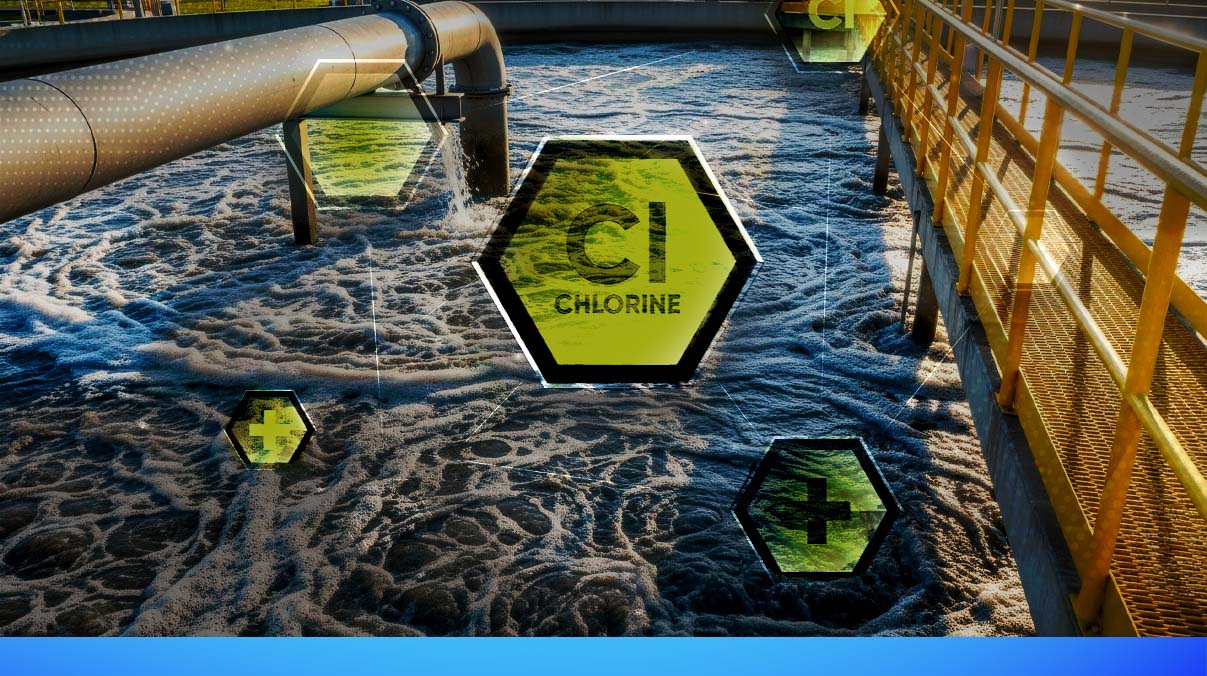
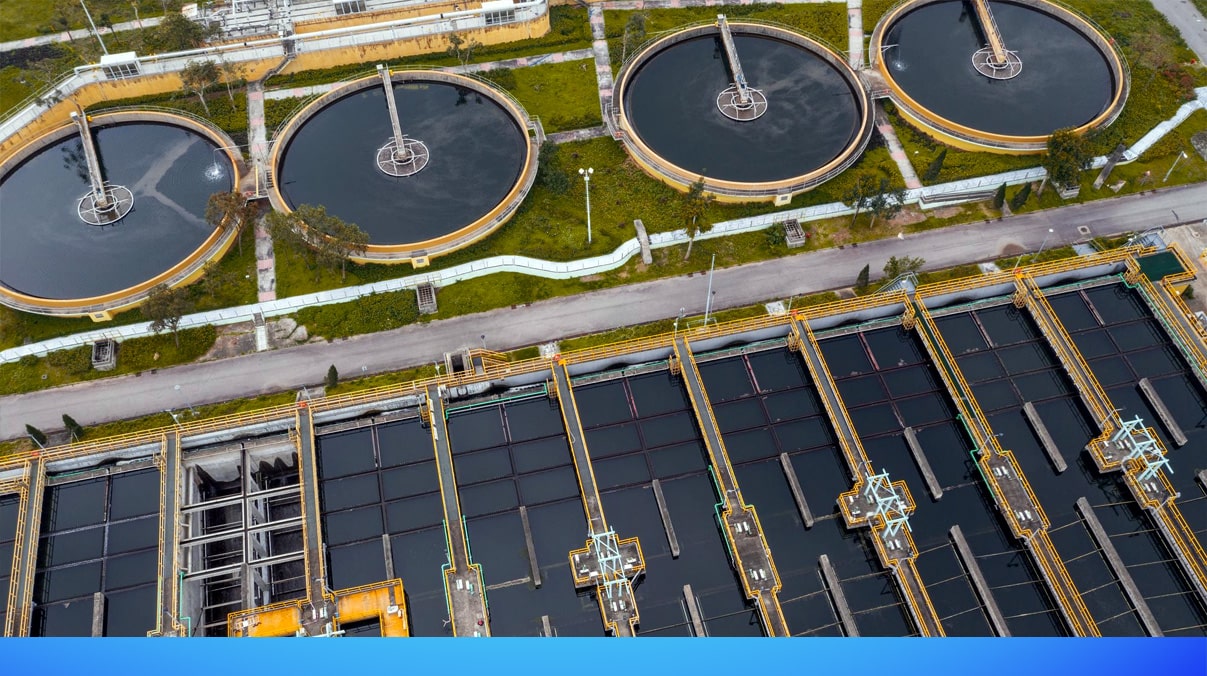
EPA compliance is measured:
-
At the treatment facility
-
Across a distribution system
-
On averaged data
But water doesn’t stop changing after it leaves the plant.
By the time it reaches your home, it has:
-
Traveled through miles of underground piping
-
Interacted with aging infrastructure
-
Sat in local lines
-
Passed through your home’s plumbing
Two houses on the same street can experience noticeably different water — even though both are “compliant.”
Compliance Doesn’t Mean Consistency
This is one of the most overlooked realities of municipal water.
EPA standards don’t guarantee:
-
Uniform mineral content
-
Consistent disinfectant levels
-
The same taste, hardness, or behavior in every home
They guarantee acceptable risk, not identical experience.
That distinction matters when homeowners start noticing:
-
Scale buildup
-
Dry skin or hair
-
Staining
-
Taste or odor changes
Those symptoms don’t necessarily mean water is unsafe — but they do mean water is behaving differently at the household level.
Why Water Reports Often Feel Confusing
Municipal water reports are:
-
Dense
-
Technical
-
Easy to misinterpret
They’re meant to demonstrate compliance — not necessarily to help homeowners understand how water behaves in their specific home.
That’s why many people eventually ask a different question:
That question isn’t about regulation.
It’s about personal context.
Safety vs. Preference: Two Different Conversations
This is where clarity matters.
-
Safety is a regulatory question
-
Preference is a household decision
A home can have:
-
Water that’s safe by EPA standards
-
And water that still doesn’t align with a homeowner’s expectations or goals
Neither perspective is wrong.
They’re just answering different questions.
Why Testing Adds Insight — Not Alarm
Testing doesn’t exist to contradict EPA standards.
It exists to:
-
Show what’s present at the tap
-
Provide context beyond citywide averages
-
Help homeowners understand how water behaves in their plumbing system
For many households, testing confirms there’s nothing to worry about.
For others, it explains why water feels, tastes, or performs the way it does.
In both cases, the result is the same: clarity.
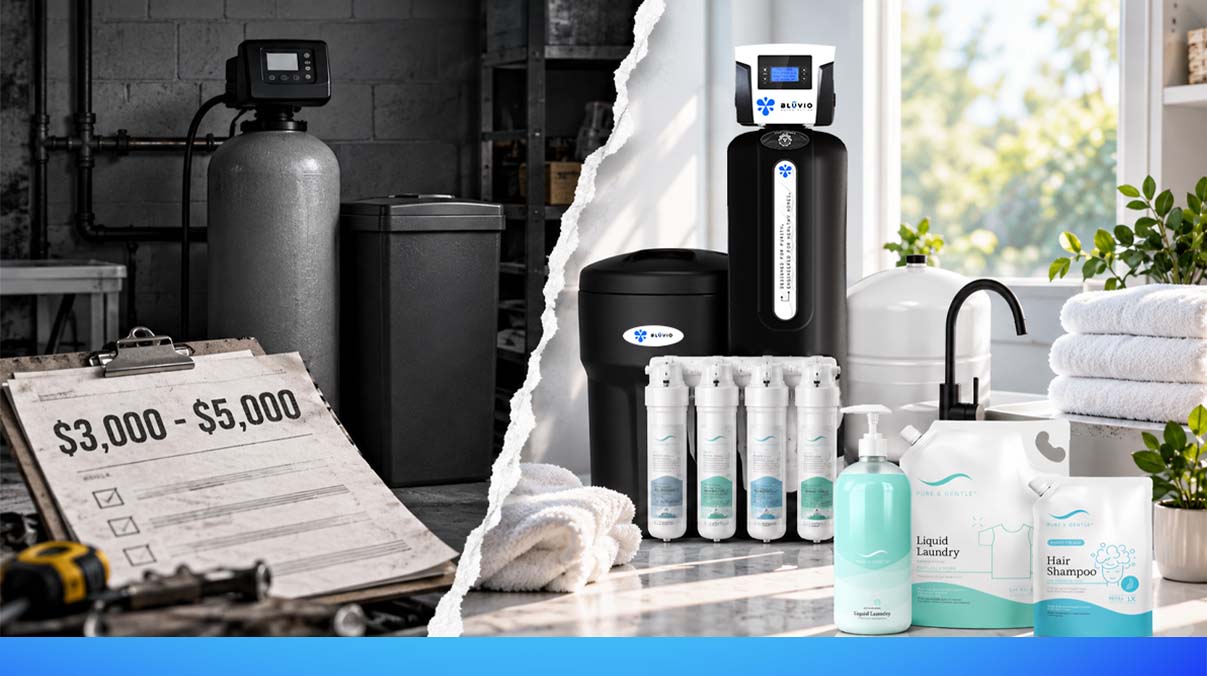
How Bluvio Approaches “EPA Standards”
At Bluvio, we don’t position EPA compliance as a problem.
We see it as a baseline.
Our philosophy is simple:
-
Start with education
-
Show homeowners what’s actually in their water
-
Let them decide what “safe” means for their home
No pressure.
No assumptions.
Just information.
The Takeaway
EPA standards protect public health — and they do that job well.
But understanding what those standards mean — and what they don’t — helps homeowners move from passive acceptance to informed confidence.
And that’s where better decisions begin.