Chlorine, Chloramines, and Disinfection Byproducts in Tap Water
Municipal drinking water doesn’t become “safe” by accident.
One of the most important tools used to protect public health is chemical disinfection—most commonly through chlorine or chloramines. These disinfectants play a critical role in preventing waterborne disease and making large-scale water distribution possible.
But while disinfection is essential, it also introduces a second conversation that often goes unaddressed: how disinfectants behave once water reaches the home.
That conversation isn’t about whether these chemicals work.
It’s about what they leave behind—and why homeowners sometimes notice changes in taste, smell, or comfort even when water meets safety standards.
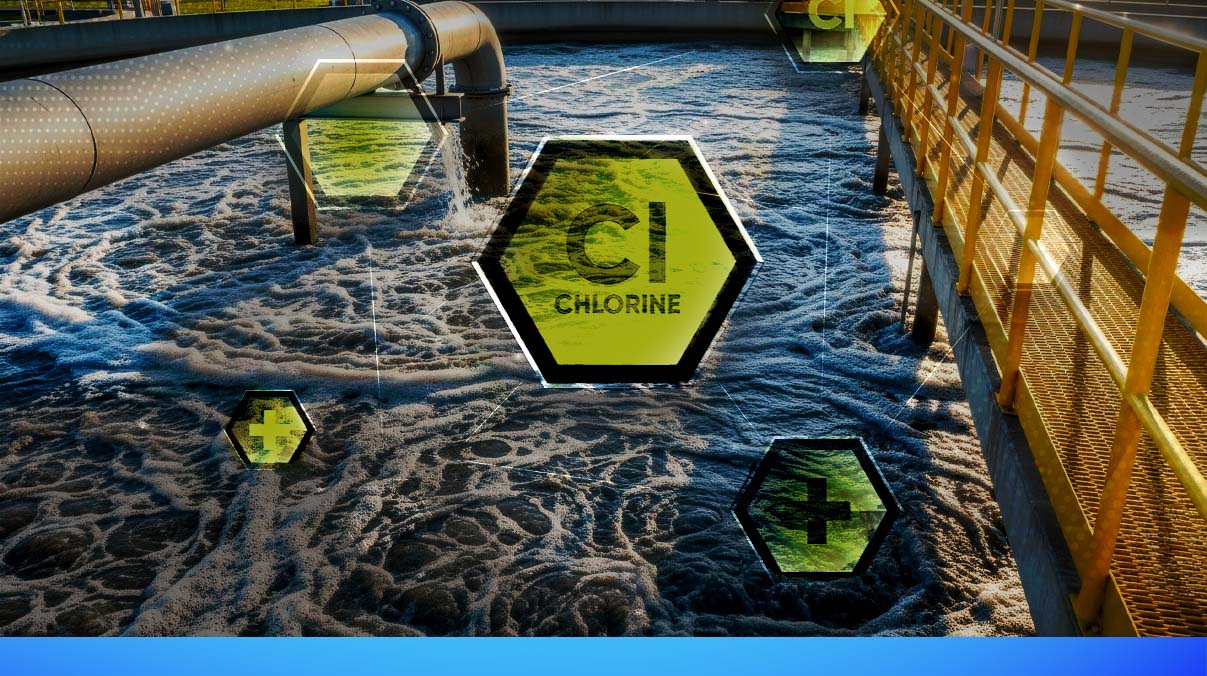
Why Chlorine Is Added to Drinking Water
Chlorine has been used in public water systems for over a century, largely because it solved a serious problem.
Before chemical disinfection, outbreaks of diseases like cholera and typhoid were common. Chlorine dramatically reduced those risks by killing bacteria and viruses before water ever reached consumers.
Today, chlorine is used because it:
-
Effectively neutralizes harmful microorganisms
-
Remains active as water travels through miles of piping
-
Helps prevent recontamination during distribution
From a public-health standpoint, chlorine is highly effective.
However, effectiveness at scale does not always translate to ideal conditions at the household level.
Chloramines: When Chlorine Is Combined With Ammonia
Many municipalities no longer rely on free chlorine alone.
Instead, they use chloramines, which are formed by combining chlorine with ammonia. This shift wasn’t made casually—it solves a real infrastructure challenge.
Chloramines are more chemically stable than free chlorine, allowing disinfectant protection to last longer as water moves through large and complex distribution systems.
Why Ammonia Is Used in Water Treatment
Ammonia is added intentionally and in carefully controlled amounts.
Its role is to:
-
Bind with chlorine
-
Slow chlorine’s rate of decay
-
Create a longer-lasting disinfectant
While the word “ammonia” carries negative associations in everyday life, in water treatment it functions as a chemical stabilizer, not as a standalone additive.
It is regulated, monitored, and used specifically to manage disinfectant performance—not to introduce new contaminants.
How Chloramines Behave Differently at Home
Because chloramines are more stable, they behave differently once water enters a home.
Compared to free chlorine, chloramines:
-
Tend to linger longer in plumbing systems
-
Are harder to remove with basic carbon filters
-
Can contribute to subtle taste or odor differences
They are still considered safe under EPA guidelines, but their persistence is often why homeowners notice changes after a utility switches disinfectants—even when official reports show compliance.
What Happens After Disinfection: Byproducts
Once disinfected water leaves the treatment facility, it doesn’t remain chemically isolated.
As chlorine or chloramines travel through infrastructure and household plumbing, they interact with naturally occurring organic matter in the water. That interaction can create disinfection byproducts (DBPs).
These byproducts are not intentionally added.
They are a chemical side effect of disinfection.
Disinfection Byproducts Explained (Without the Chemistry Degree)
Disinfection byproducts form when disinfectants react with organic materials such as decaying plant matter or naturally occurring carbon compounds.
Two commonly monitored groups are:
-
Total trihalomethanes (TTHMs)
-
Haloacetic acids (HAAs)
These compounds are regulated because long-term exposure at elevated levels is undesirable—not because they cause immediate harm.
Compliance means levels remain below federal thresholds. It does not mean zero presence.
Why Chlorine, Chloramines, and DBPs Are Still Allowed
Disinfectants and their byproducts remain permitted because:
-
Eliminating them entirely would compromise microbial safety
-
Risk is evaluated at the population level
-
Treatment must balance effectiveness with feasibility
Regulation focuses on preventing acute health risks, not optimizing water chemistry for every household.
This distinction matters.
What Households May Notice
Even when water meets all regulatory requirements, some households experience effects related to disinfectants, including:
-
Strong or chemical taste
-
Noticeable odor at the tap or shower
-
Dry or irritated skin after bathing
-
Faster wear on rubber seals or plumbing components
These effects are typically not dangerous—but they often prompt homeowners to ask better questions about their water.
Safety and Preference Are Not the Same Thing
This is where confusion often sets in.
Water can be:
-
Safe by regulatory definition
-
Yet still undesirable by personal standards
Municipal systems are designed to ensure safety across millions of people. They are not designed to tailor water chemistry to individual homes.
Understanding that difference helps homeowners separate risk from preference.
Putting Disinfection Into the Bigger Picture
Chlorine and chloramines are only part of the water quality equation.
Their impact intersects with:
-
Pipe materials and age
-
Water stagnation
-
Organic content in source water
-
Seasonal treatment adjustments
That’s why two homes receiving the same municipal supply can have noticeably different experiences.
And why generalized reports don’t always reflect what’s happening at a single tap.
The Takeaway
Chlorine and chloramines make modern drinking water possible.
They also influence how that water behaves once it reaches your home.
Recognizing that tradeoff doesn’t mean rejecting public treatment—it means understanding that safe and ideal are not always the same thing.
That understanding is often what leads homeowners to ask whether their tap water is actually safe to drink in their own home—and whether it’s behaving the way they want it to.