What’s Really in Your Drinking Water?
Most people assume their drinking water is clean for one simple reason:
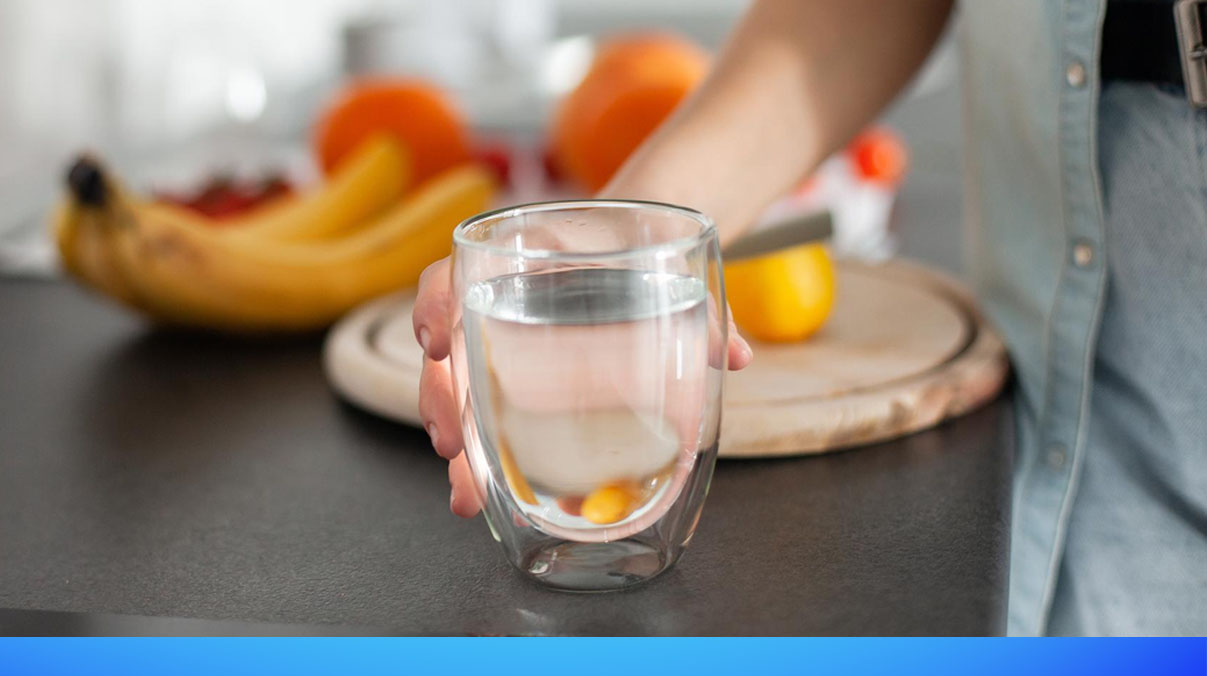
It’s clear.
It doesn’t smell unusual.
It doesn’t look contaminated.
And it comes from a system that’s regulated.
But clarity and cleanliness are not the same thing.
Understanding what’s really in your drinking water requires separating appearance from composition, and regulation from reality.
Why This Question Matters More Than Ever
Municipal water systems are designed to solve one primary problem:
preventing acute, waterborne disease at scale.
They are not designed to optimize:
-
Taste
-
Long-term exposure preferences
-
Household plumbing impact
-
Individual sensitivities
As a result, water can meet every legal requirement and still contain substances homeowners would never knowingly choose to consume every day.
That gap between compliant and ideal is where most confusion lives.
The Difference Between “Treated” and “Filtered” Water
Municipal water is treated.
That means:
-
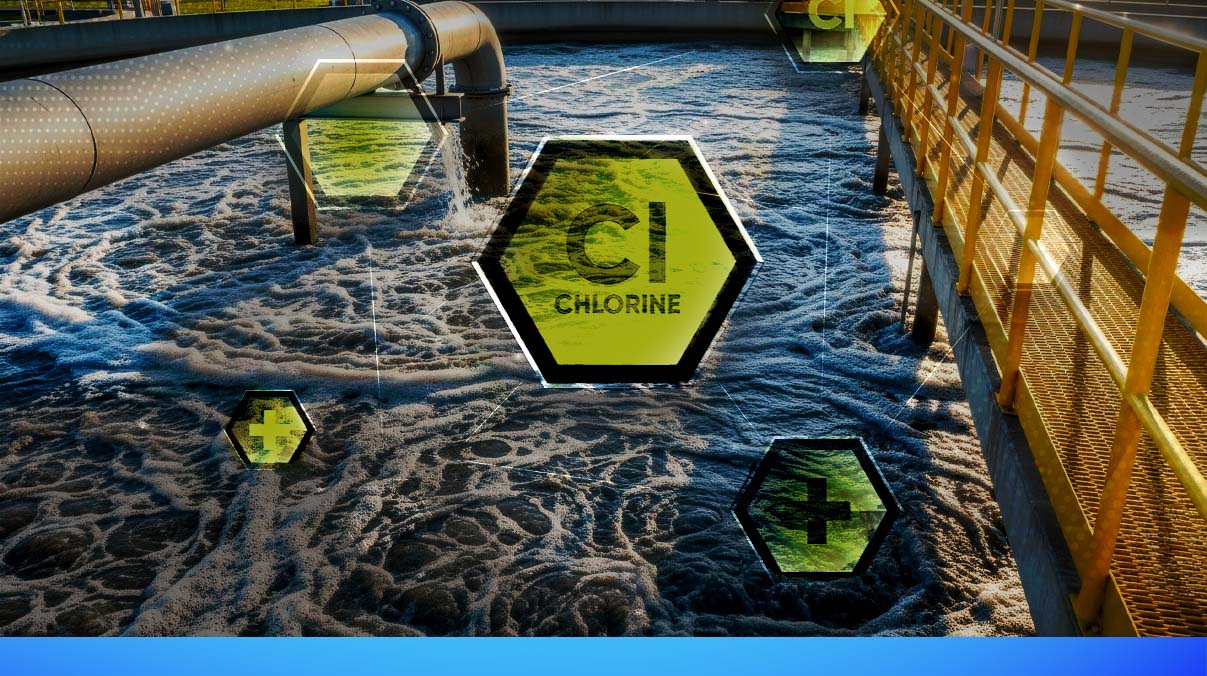
Disinfectants are added
-
Contaminant levels are reduced to regulated limits
-
Water is stabilized for distribution
But treatment does not mean removal of everything.
Filtration, on the other hand, is selective.
It’s designed to remove, not just neutralize.
Understanding that distinction explains why drinking water can be legally acceptable while still containing trace levels of unwanted substances.
Why Drinking Water Is a Chemical Mixture by Design
Modern drinking water is not a single substance.
It’s a mixture shaped by:
-
Source water (river, reservoir, groundwater)
-
Treatment chemicals
-
Infrastructure materials
-
Distribution distance
Along the way, water can pick up:
-
Disinfectants and byproducts
-
Minerals and dissolved solids
-
Trace contaminants regulated at allowable levels
None of this is accidental.
It’s the result of engineering decisions made to serve millions of people at once.
Why “Within Legal Limits” Isn’t the Same as “Absent”
One of the most misunderstood aspects of drinking water is how regulations work.
Most contaminants are allowed up to a maximum limit, not eliminated entirely.
That means:
-
Presence is permitted
-
Levels are averaged
-
Variability is expected
Understanding what those limits represent—and how they’re set—is essential to interpreting water quality claims responsibly.
(This is where a future supporting article will dive deeper into common contaminants and how they’re measured.)
How Source Water Shapes What Ends Up at the Tap
Where water comes from matters.
Surface water and groundwater behave differently, require different treatment approaches, and carry different risks.
Even before treatment begins, source water determines:
-
Which contaminants are likely
-
How much disinfection is required
-
What residuals remain
Two cities can follow the same regulations and still deliver very different water experiences.
What Changes Between the Treatment Plant and Your Home
Water doesn’t arrive at your faucet the same way it leaves the treatment facility.
Between those two points, it travels through:
-
Miles of distribution piping
-
Storage tanks
-
Pressure systems
-
Household plumbing
Along that journey, water can:
-
React with pipe materials
-
Lose or gain chemical stability
-
Change temperature and stagnation levels
This is why system-wide testing doesn’t always reflect household reality.
Why Clear Water Isn’t Always Clean Water
Visual clarity tells you almost nothing about composition.
Many substances that affect taste, odor, and long-term exposure:
-
Are colorless
-
Are odorless
-
Exist at parts-per-billion levels
That’s not fear—that’s chemistry.
And it’s why relying on appearance alone is one of the most common misconceptions homeowners have about their water.
Why Water Quality Is About Tradeoffs
Every water system balances tradeoffs:
-
Disinfection strength vs byproduct formation
-
Corrosion control vs mineral content
-
Stability vs taste
There is no universal “perfect” municipal water.
There is only water that meets regulatory goals — and water that aligns with personal preferences.
Understanding what’s really in your drinking water starts with recognizing those tradeoffs rather than assuming purity.
How This Connects to the Bigger Conversation
This question isn’t about panic.
It’s about awareness.
Once homeowners understand:
-
What water is designed to do
-
What it’s allowed to contain
-
Where variability comes from
They can make informed decisions instead of reactive ones.
That’s when conversations shift from “Is something wrong?”
to “What level of quality do I want in my home?”
The Takeaway
Your drinking water is treated, regulated, and monitored — but it is not a blank slate.
It’s a carefully managed mixture shaped by:
-
Source
-
Treatment
-
Infrastructure
-
Regulation
Understanding what’s really in it isn’t about distrust.
It’s about context.
And context is what turns assumptions into informed choices.