Why Tap Water Can Still Cause Scale, Dry Skin, or Taste Issues—Even When It’s “Safe”
For many homeowners, confusion starts here:
Their water meets EPA standards.
Their city says it’s safe.
And yet something still feels… off.
-
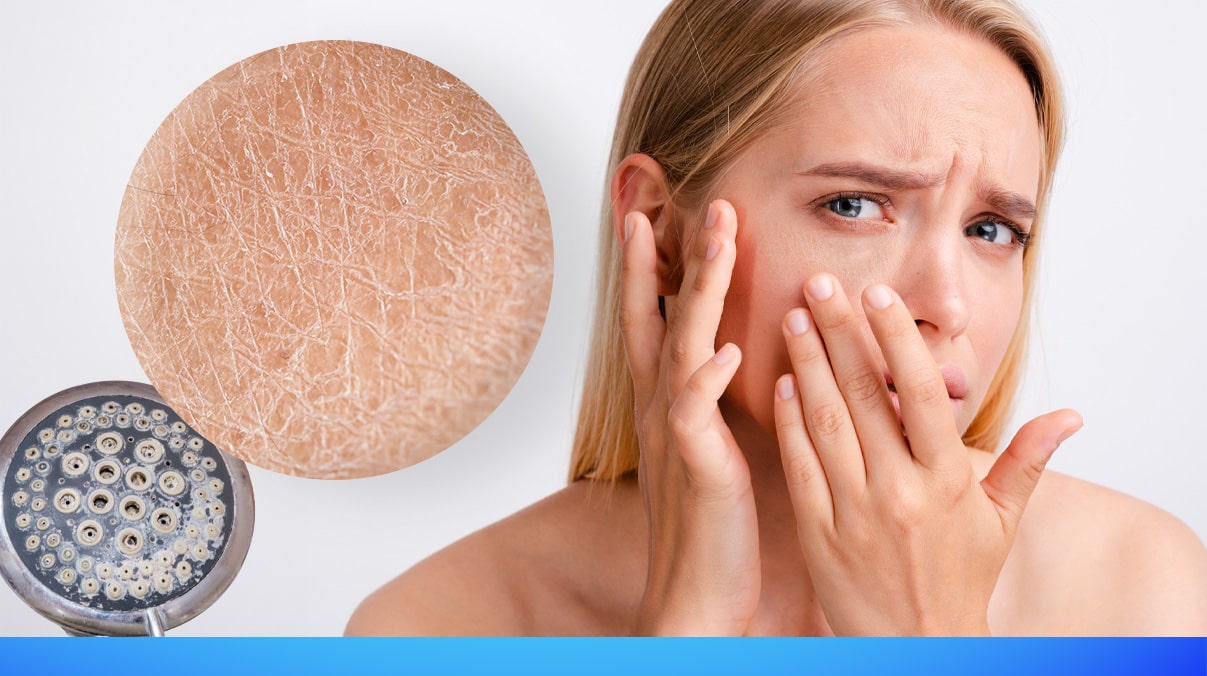
White scale builds up on fixtures
-
Skin feels dry after showering
- Hair dye color is stripped prematurely and is brittle
-
Glassware spots no matter how often it’s washed
-
The taste varies from week to week
If the water is “safe,” why does it behave this way?
The answer lies in the difference between regulatory safety and water chemistry.
“Safe” Water Isn’t the Same as Balanced Water
EPA standards are designed to prevent harm.
They are not designed to optimize how water behaves in a home.
That means water can be:
-
Legally safe to drink
-
And still contain minerals or treatment residuals that affect comfort, appliances, and taste
This isn’t a loophole — it’s simply how public systems work.
Hardness: The Most Common Culprit
One of the most common reasons water causes issues is hardness.
Hard water contains elevated levels of minerals like:
-
Calcium
-
Magnesium
These minerals aren’t dangerous. In fact, they’re naturally occurring.
But inside a home, they can:
-
Leave scale on faucets and showerheads
-
Reduce appliance efficiency
-
Dry out skin and hair
-
Cause soap to lather poorly
Hardness is rarely a safety issue — but it’s a quality-of-life issue for millions of households.
A Common Misconception About Calcium and Magnesium in Water
One point of confusion worth clearing up is how the calcium and magnesium in hard water actually function in the body.
The minerals that cause water hardness exist primarily as inorganic mineral salts, such as:
-
calcium carbonate
-
calcium sulfate
-
magnesium carbonate
These forms are chemically bound to other compounds, which is why they:
-
precipitate as scale
-
leave residue on fixtures
-
interfere with soap and detergents
While calcium and magnesium are essential nutrients, the forms found in hard water are not the same as the bioavailable forms your body is designed to absorb efficiently from food.
Nutritional calcium and magnesium are typically:
-
organically bound
-
consumed alongside cofactors (like proteins, fats, and vitamins)
-
processed through digestion rather than absorbed incidentally through water
This means hard water minerals:
-
don’t function as a meaningful dietary source
-
don’t replace nutritional intake
-
primarily impact plumbing, appliances, and skin—not nutrition
In short, the minerals that make water “hard” are structural and chemical in nature, not nutritional.
Why Hard Water Is Allowed Under EPA Standards
Hardness isn’t regulated by the EPA because:
-
It doesn’t pose an acute health risk
-
It varies widely by geography
-
Treating it at scale isn’t feasible for municipal systems
So while your water may be compliant, hardness levels can still be high enough to cause noticeable problems at home.
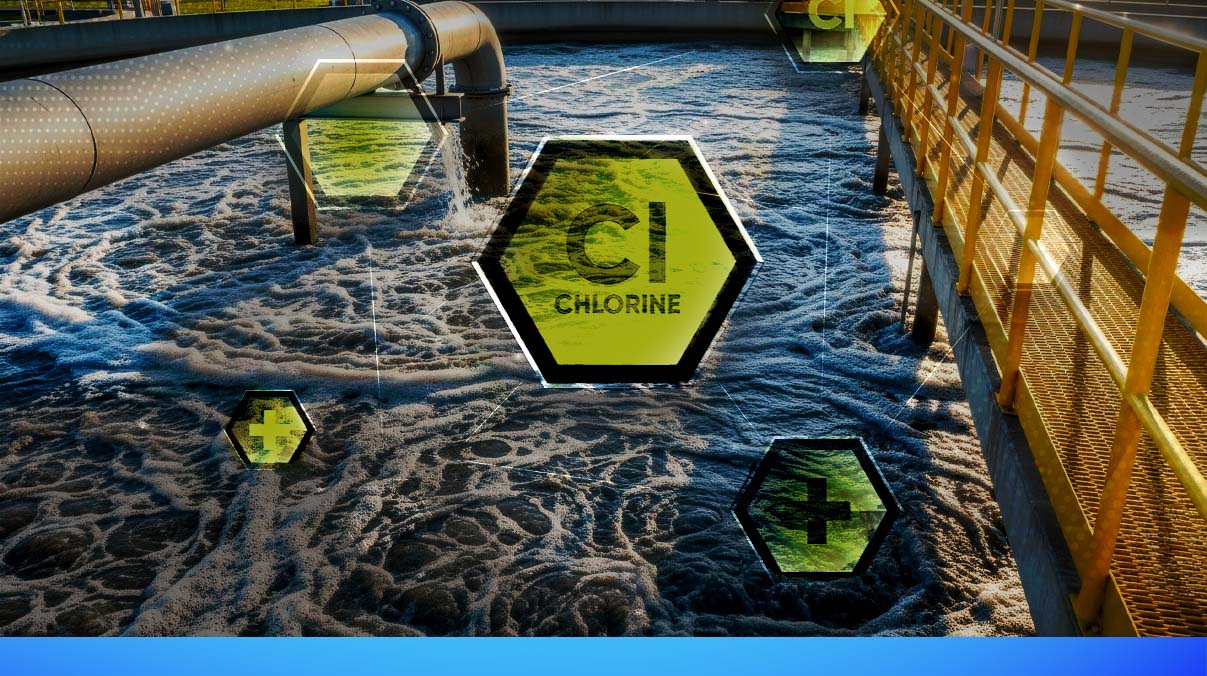
Chlorine and Disinfection Byproducts
To keep water safe during distribution, municipalities often use disinfectants like chlorine.
This is a good thing — it prevents harmful bacteria.
But chlorine can also:
-
Affect taste and smell
-
Dry out skin
-
React with organic matter to form byproducts
Those byproducts are regulated — but again, regulation sets maximums, not ideals.
Some households are more sensitive to these effects than others.
Why Water Can Taste Different From One Neighborhood to Another
Water doesn’t behave identically everywhere, even within the same city.
Factors that influence taste and behavior include:
-
Distance from the treatment plant
-
Pipe materials and age
-
Water temperature
-
Seasonal treatment adjustments
That’s why two neighbors can have different experiences — even though both are receiving compliant water.
Safety vs. Experience: Two Separate Measurements
This is where many homeowners get stuck.
-
Safety answers:
Is this water dangerous?
-
Experience answers:
How does this water behave in my home?
Municipal systems are excellent at answering the first question.
They’re not designed to answer the second.
That’s why people often move from regulatory reports to a more personal question:
Is my tap water actually safe to drink in my house — and does it need to behave this way?
Why Testing Helps Connect the Dots
Water testing doesn’t exist to contradict public standards.
It exists to:
-
Identify mineral levels
-
Measure disinfectant presence
-
Explain what’s causing specific issues
For many homeowners, testing confirms what they suspected:
-
The water is safe
-
But certain characteristics are driving the problems they’re seeing
That insight helps guide decisions — whether that means doing nothing or making adjustments.
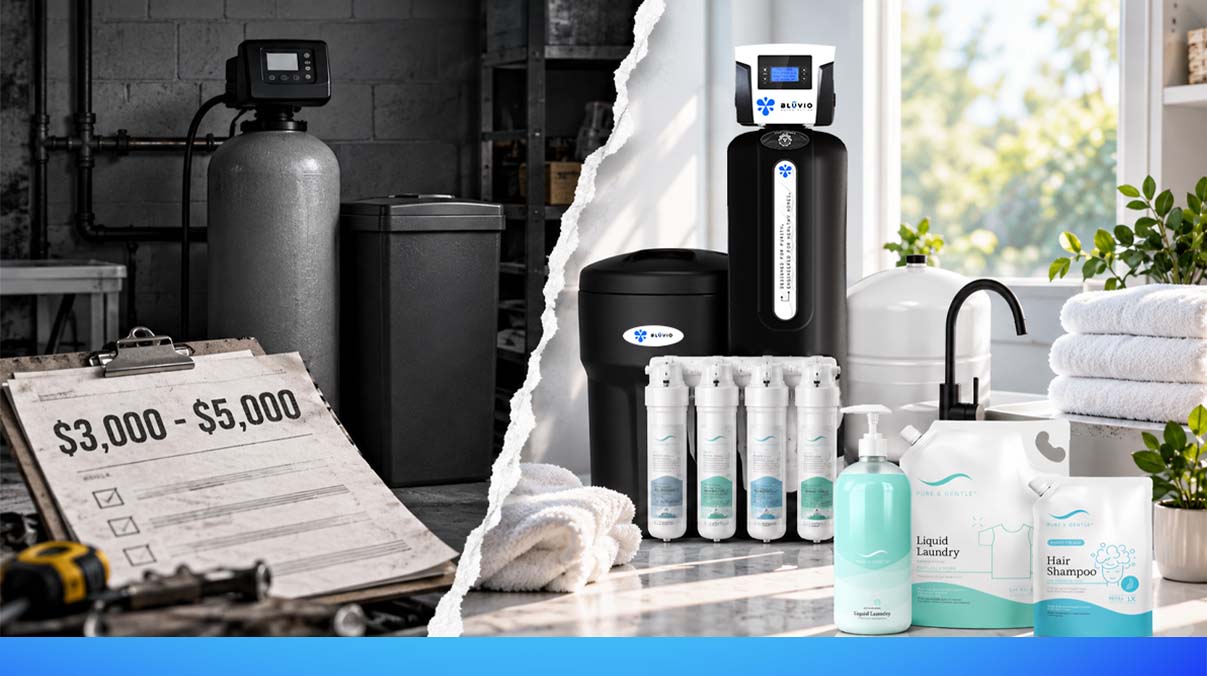
How Bluvio Thinks About “Problem” Water
At Bluvio, we don’t label water as “bad” just because it’s inconvenient.
We look at:
-
How it behaves
-
What’s contributing to that behavior
-
Whether changes would meaningfully improve daily life
Sometimes the answer is reassurance.
Sometimes it’s education.
Sometimes it’s a solution.
The starting point is always understanding.
The Takeaway
Water can meet every regulatory requirement and still create frustrations inside a home.
That doesn’t mean something is wrong — it means public safety and personal experience are measured differently.
When homeowners understand that distinction, the conversation shifts from confusion to clarity.
And clarity leads to better decisions.