Disinfection Byproducts: What Happens After Treatment
When people hear that their water is “treated,” they often assume the process ends there.
Clean water goes in.
Clean water comes out.
Problem solved.
But treatment doesn’t stop the moment disinfectants are added. In many cases, it’s where a second chemical process begins — one that most homeowners never hear about.
That process creates disinfection byproducts.
Why Disinfectants Are Used in the First Place
Municipal water systems disinfect water for a very good reason.
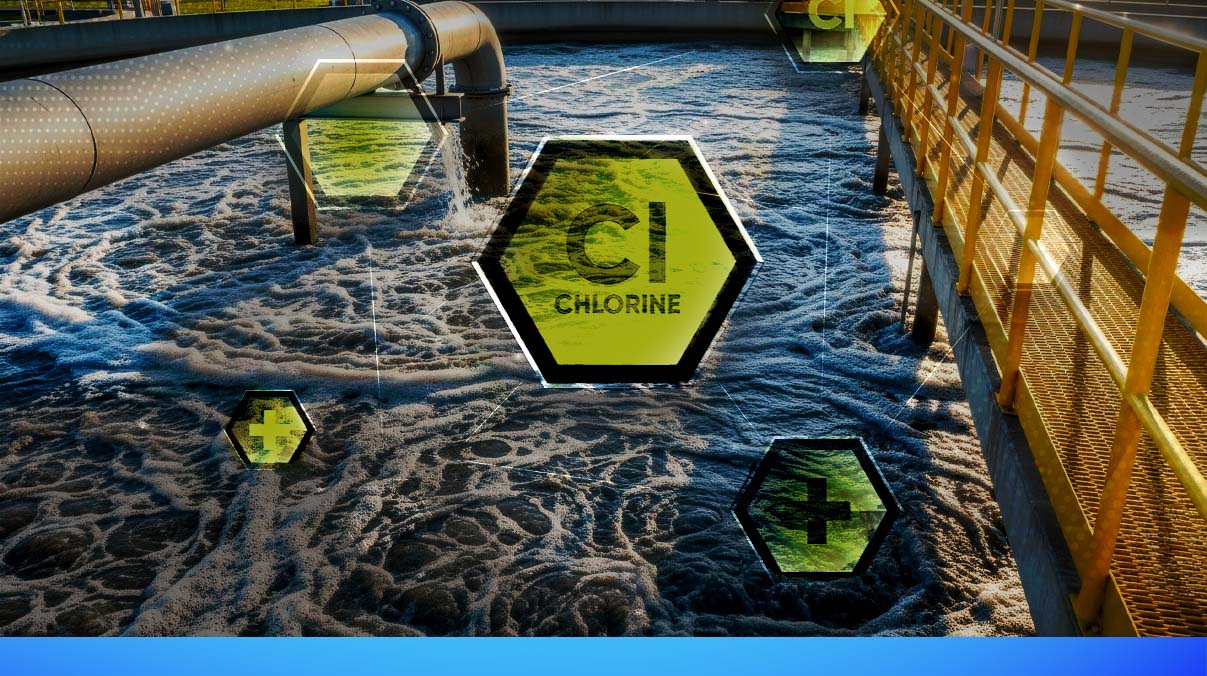
Disinfectants like chlorine and chloramines are added to:
-
Kill harmful bacteria and pathogens
-
Prevent waterborne disease
-
Maintain microbial safety as water travels through miles of pipes
This step has saved countless lives and remains a cornerstone of modern public health.
But disinfection is not chemically neutral.
What Are Disinfection Byproducts?
Disinfection byproducts (often abbreviated as DBPs) form after disinfectants are added.
They’re created when disinfectants react with:
-
Natural organic matter in source water
-
Decaying plant material
-
Other organic compounds already present
In other words, DBPs are not intentionally added to water — they are reaction products.
Two of the most commonly discussed groups are:
-
Trihalomethanes (TTHMs)
-
Haloacetic Acids (HAAs)
Both are regulated and monitored under federal drinking water standards.
Why DBPs Still Exist in Treated Water
This is where the nuance matters.
Disinfection must be strong enough to protect public health at scale — across entire cities, towns, and regions.
That means:
-
Treatment decisions balance microbial safety and chemical exposure
-
Eliminating all byproducts entirely is not feasible at the municipal level
-
Standards are set to limit risk, not eliminate reactions altogether
As a result, DBPs are allowed within regulated thresholds.
Compliance means the system is functioning as designed — not that byproducts are absent.
What Happens as Water Travels to Your Home
Water doesn’t go directly from the treatment plant to your faucet.
Along the way, it:
-
Moves through miles of distribution pipes
-
Interacts with pipe materials
-
Continues reacting chemically over time
This matters because DBP formation is not always static.
Levels can vary depending on:
-
Distance from the treatment facility
-
Water age (how long it sits in the system)
-
Temperature
-
Local infrastructure
That’s why two homes on the same water system can experience different water quality — even when both are fully compliant.
Regulation vs. Personal Exposure
Disinfection byproduct regulations are designed to:
-
Reduce long-term population-wide risk
-
Balance safety and feasibility
-
Protect public health at scale
They are not customized to individual households.
This doesn’t mean DBPs are inherently dangerous at regulated levels.
It means the standards are designed for averages — not personal preference, sensitivity, or household-specific context.
Why DBPs Are Hard to Address System-Wide
Removing disinfection byproducts entirely at the municipal level isn’t just a technical challenge — it’s a scale and economics problem.
Municipal water systems are designed to move millions of gallons of water every day, and most of that water is not used for drinking.
In a typical distribution system, water is primarily used for:
-
Showers and bathing
-
Toilets
-
Laundry
-
Commercial and industrial processes
-
Irrigation and fire protection
Only a small fraction of municipal water is actually consumed as drinking water.
Designing treatment processes to remove trace byproducts to drinking-water perfection — across every gallon used for every purpose — would require:
-
Advanced filtration at massive scale
-
Extremely high operational costs
-
Significant increases in water rates
-
Extensive retrofitting of aging infrastructure
From a public utility standpoint, that level of treatment simply isn’t financially realistic.
Municipal systems are built to balance public health protection, affordability, and reliability at scale — not to optimize water for individual household preferences or long-term exposure reduction.
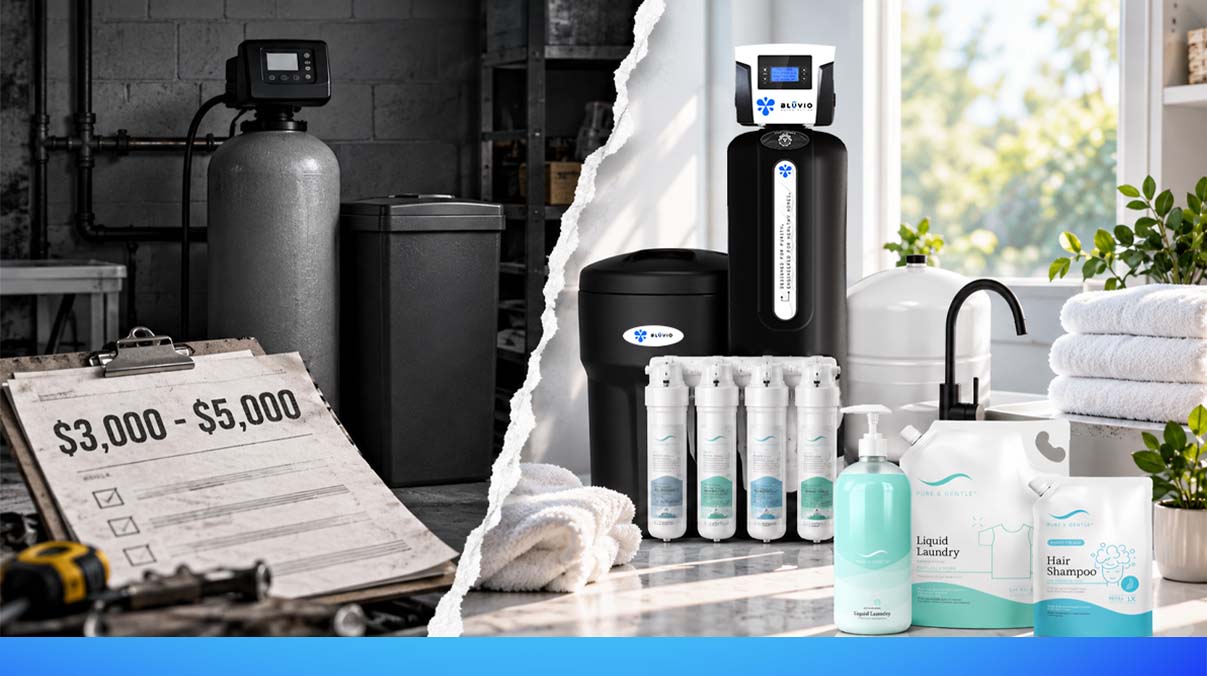
That’s why disinfection byproducts are regulated at the treatment and distribution level — but typically addressed more precisely after water enters the home, where filtration can be targeted to actual drinking and daily-use needs without treating millions of unnecessary gallons.
The Bigger Picture
Disinfection is essential.
Byproducts are an unavoidable side effect of that protection.
Understanding DBPs isn’t about fear — it’s about context.
They exist because water is treated.
They persist because water travels.
They’re regulated because balance matters.
And like many aspects of water quality, what’s acceptable at a population level may not reflect how water behaves in a specific home.
The Takeaway
Disinfection byproducts form after treatment, not because something went wrong — but because chemistry continues to work as water moves through the system.
They are:
-
Monitored
-
Regulated
-
Managed at scale
But they’re also one of the clearest examples of why “treated” does not always mean “finished.”
Understanding what happens after treatment is a key step in understanding what’s actually in your water when it reaches your tap.