Common Contaminants Found in U.S. Tap Water
When people ask what’s really in their drinking water, they’re often expecting a short list of “bad things.”
The reality is more nuanced.
U.S. tap water is regulated, treated, and monitored—but it is not empty. It carries trace substances that reflect its source, treatment process, and distribution system. Some are naturally occurring. Others are introduced intentionally. And some form as byproducts along the way.
Understanding the types of contaminants commonly found in tap water is the first step toward interpreting water quality correctly—without panic or oversimplification.
Why Contaminants Exist in Treated Drinking Water
Municipal water systems are designed to balance safety, scalability, and consistency across entire populations.
That means water is treated to prevent disease and maintain stability as it travels miles through pipes—not to eliminate every substance at the household level.
As a result, contaminants in drinking water typically fall into four broad categories:
-
Disinfectants added during treatment
-
Byproducts formed during disinfection
-
Naturally occurring minerals and compounds
-
Trace contaminants introduced through infrastructure or environment
Each category behaves differently—and carries different implications for homeowners.
Disinfectants: Chlorine and Chloramines
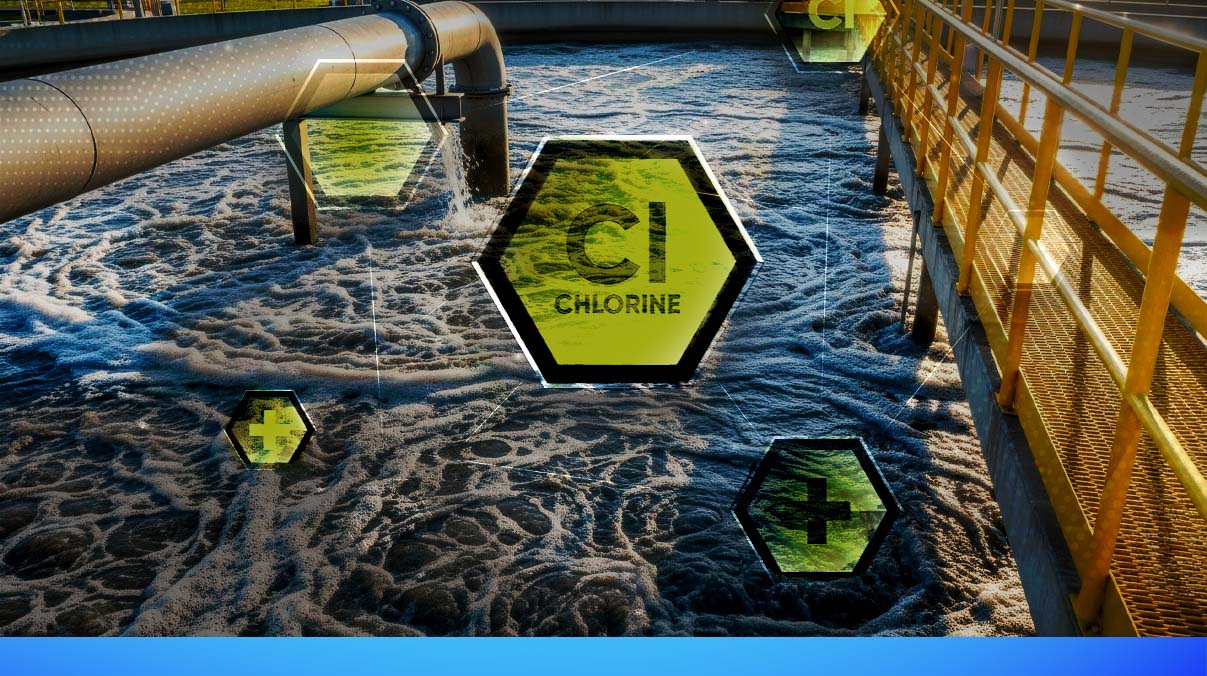
Disinfectants are intentionally added to drinking water to prevent the spread of waterborne disease.
Chlorine
Chlorine has been used for over a century as a primary disinfectant. It is effective, inexpensive, and easy to monitor.
However, chlorine is also:
-
Chemically reactive
-
Noticeable in taste and smell
-
Capable of interacting with organic matter in water
While chlorine levels are regulated, its presence often explains why tap water smells “chemical” or tastes sharp.
Chloramines
Many utilities now use chloramines, a compound formed by combining chlorine and ammonia.
Chloramines are more stable than chlorine and persist longer in distribution systems, which helps maintain disinfection across large service areas.
But that stability comes with tradeoffs:
-
Chloramines are harder to remove
-
They are more corrosive to plumbing over time
-
They contribute to disinfection byproduct formation
From a treatment perspective, chloramines solve one problem while introducing new considerations downstream.
Disinfection Byproducts (DBPs)
When disinfectants interact with naturally occurring organic matter in source water, they can form byproducts.
The most commonly discussed include:
-
Total Trihalomethanes (TTHMs)
-
Haloacetic Acids (HAAs)
These compounds are regulated and monitored, but their formation varies based on:
-
Water source
-
Treatment methods
-
Seasonal changes
-
Distribution time
Importantly, DBPs are not added directly—they are a consequence of necessary disinfection. Their presence highlights the difference between safe at scale and optimized at the household level.
Naturally Occurring Minerals
Many substances in tap water are naturally present long before treatment begins.
Calcium and Magnesium (Hardness)
These minerals are responsible for water hardness. They are not considered a health risk and are not regulated by the EPA.
However, in household settings, hardness can:
-
Leave scale on fixtures and appliances
-
Reduce soap effectiveness
-
Dry out skin and hair
-
Decrease appliance efficiency
Hardness is a quality-of-life issue rather than a safety issue—yet it affects millions of homes.
Iron, Manganese, and Sulfur
Depending on geography, water may also contain trace levels of:
-
Iron (staining, metallic taste)
-
Manganese (dark residue)
-
Sulfur compounds (odor)
These are often aesthetic or operational concerns rather than acute health risks, but they contribute significantly to how water behaves in the home.
Metals from Aging Infrastructure
Not all contaminants come from the treatment plant.
As water travels through distribution systems and household plumbing, it can interact with pipes and fixtures.
This is where metals such as:
-
Lead
-
Copper
-
Zinc
may appear, particularly in older homes or systems with aging infrastructure.
These contaminants are typically intermittent and location-specific, which is why system-wide reports don’t always reflect individual household conditions.
Emerging and Trace Contaminants
Modern testing has identified trace substances that were not historically monitored, including:
-
Industrial chemicals
-
Agricultural runoff residues
-
Pharmaceutical traces
While many of these are present at extremely low concentrations, their detection reinforces an important point:
Water regulations evolve more slowly than testing technology.
The presence of trace contaminants does not necessarily imply immediate danger—but it does challenge the assumption that compliance equals absence.
Why This Matters for Homeowners
Most people assume water quality is binary: safe or unsafe.
In practice, it’s contextual.
Two homes on the same street can experience different water characteristics based on:
-
Plumbing materials
-
Water usage patterns
-
Distance from treatment facilities
-
Local distribution conditions
That’s why the question eventually shifts from regulation to relevance.
Not “Is my water legal?”
But “How does my water behave in my home?”
That distinction is where clarity begins.
The Takeaway
U.S. tap water commonly contains disinfectants, byproducts, naturally occurring minerals, and trace contaminants—most of which are regulated to remain within defined limits.
Understanding what these substances are—and why they’re present—provides context without fear.
It also sets the stage for more informed decisions about testing, filtration, and treatment—based on preference, not panic.